
Can you make a crab snare yourself?
Some anglers build or repair their own gear, but a homemade snare must be structurally sound, safe to cast and permitted under local fishing rules. A poorly built device can fail under load or create entanglement hazards.
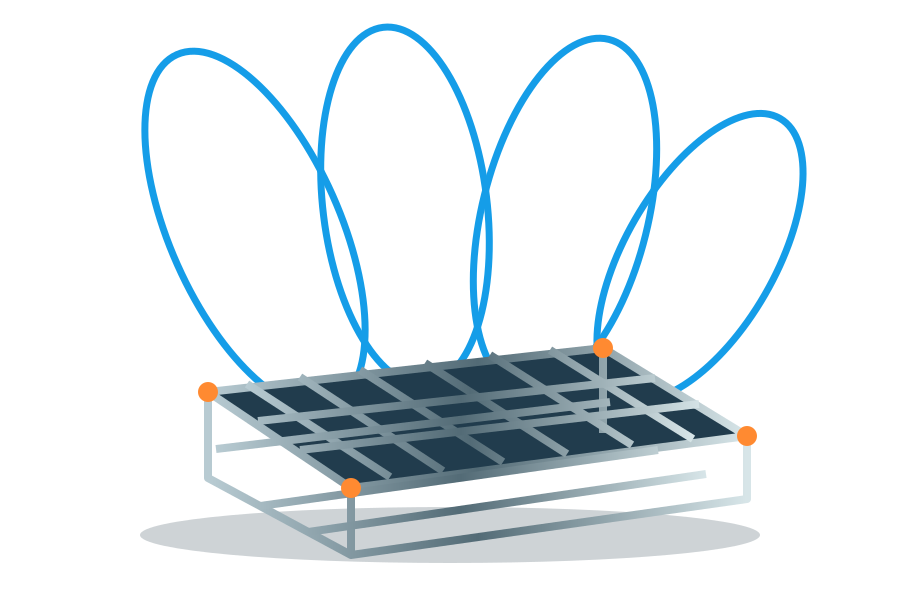
Original conceptual illustration — proportions and rigging vary by manufacturer.
Basic design considerations
- Cage: A securely closing, corrosion-resistant bait compartment without sharp exposed ends.
- Loops: Suitable material with consistent, unobstructed placement.
- Connections: Strong attachment points and compatible leader hardware.
- Weight: A complete assembly that stays within the rod’s casting specification.
- Compliance: Local rules may regulate dimensions, materials, marking or use.
Before using homemade gear
Inspect for sharp edges, loose wire, damaged loops and insecure closures. Consult experienced local anglers and official regulations. A commercially manufactured product with documented specifications may be a better starting point for beginners.
This is an overview of design principles, not a tested construction plan or guarantee that homemade gear is legal in your area.